Features
Orchestrating deployments across a fleet of clusters
Centralized Distribution
Sveltos is the control plane for your Kubernetes fleet. It manages the distribution of Helm charts, Kustomize overlays, and YAML/JSON manifests from a management cluster to all the managed clusters.
Learn More Orchestrated Deployment Order
Deploy custom resources in a defined order. Ensure deployments are predictable, controlled, and synchronized across every cluster.
Learn More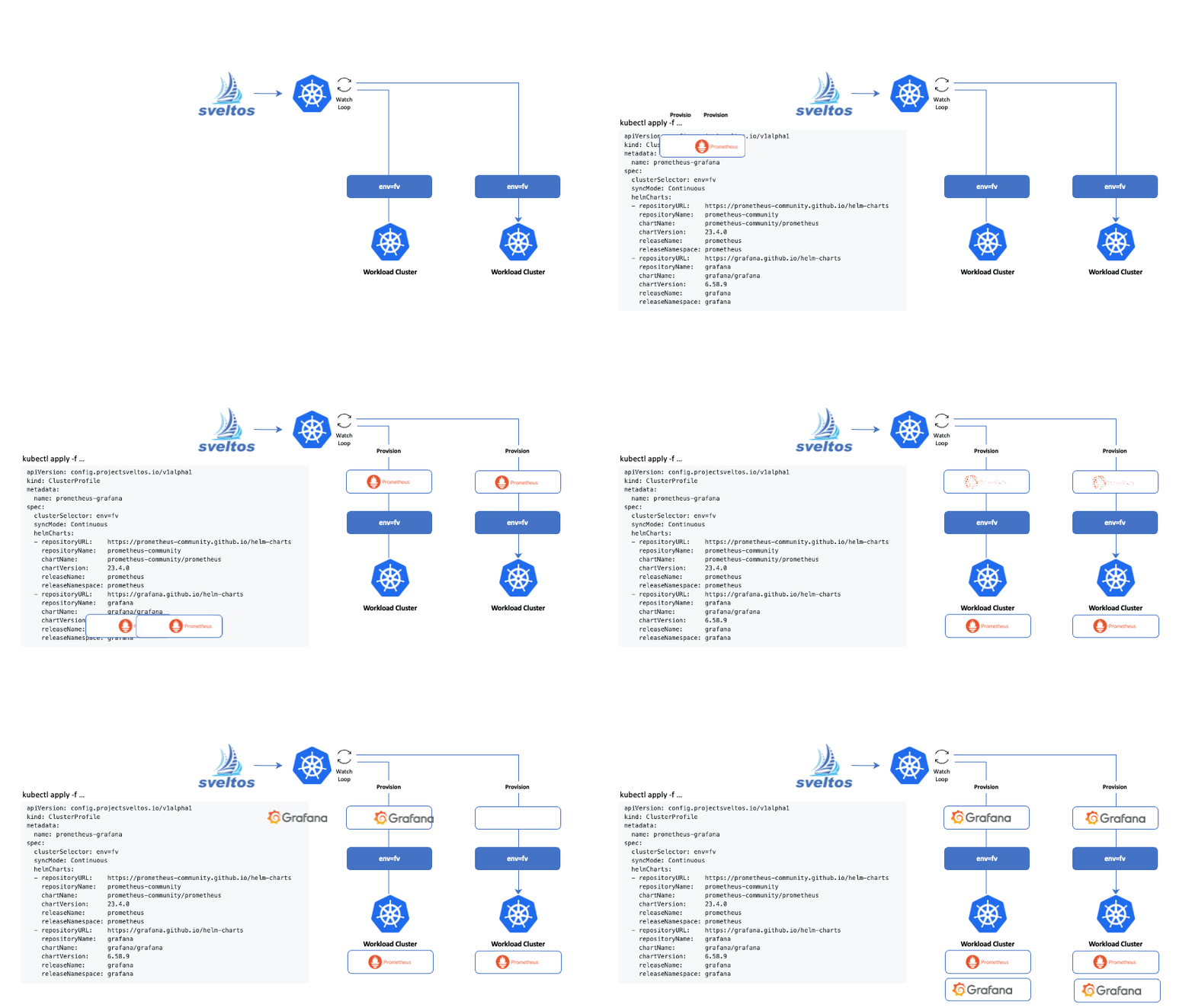
Progressive Rollouts with ClusterPromotion
EnterpriseDefine a configuration once and promote it stage by stage, from development to production. Each stage is deployed only after the previous one is healthy and its promotion trigger is met.
Learn More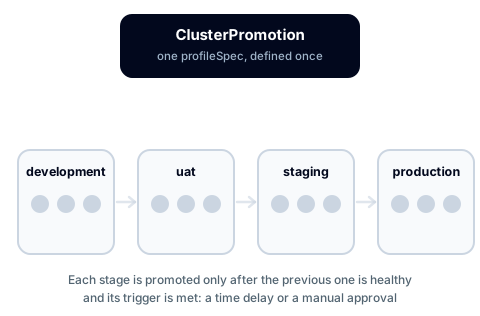
Job-based Health Checks
EnterpriseRun active probes like smoke tests, synthetic transactions and connectivity checks as Kubernetes Jobs inside the managed clusters. Sveltos deploys the Job, waits for it to finish, and uses the outcome as the health verdict.
Learn More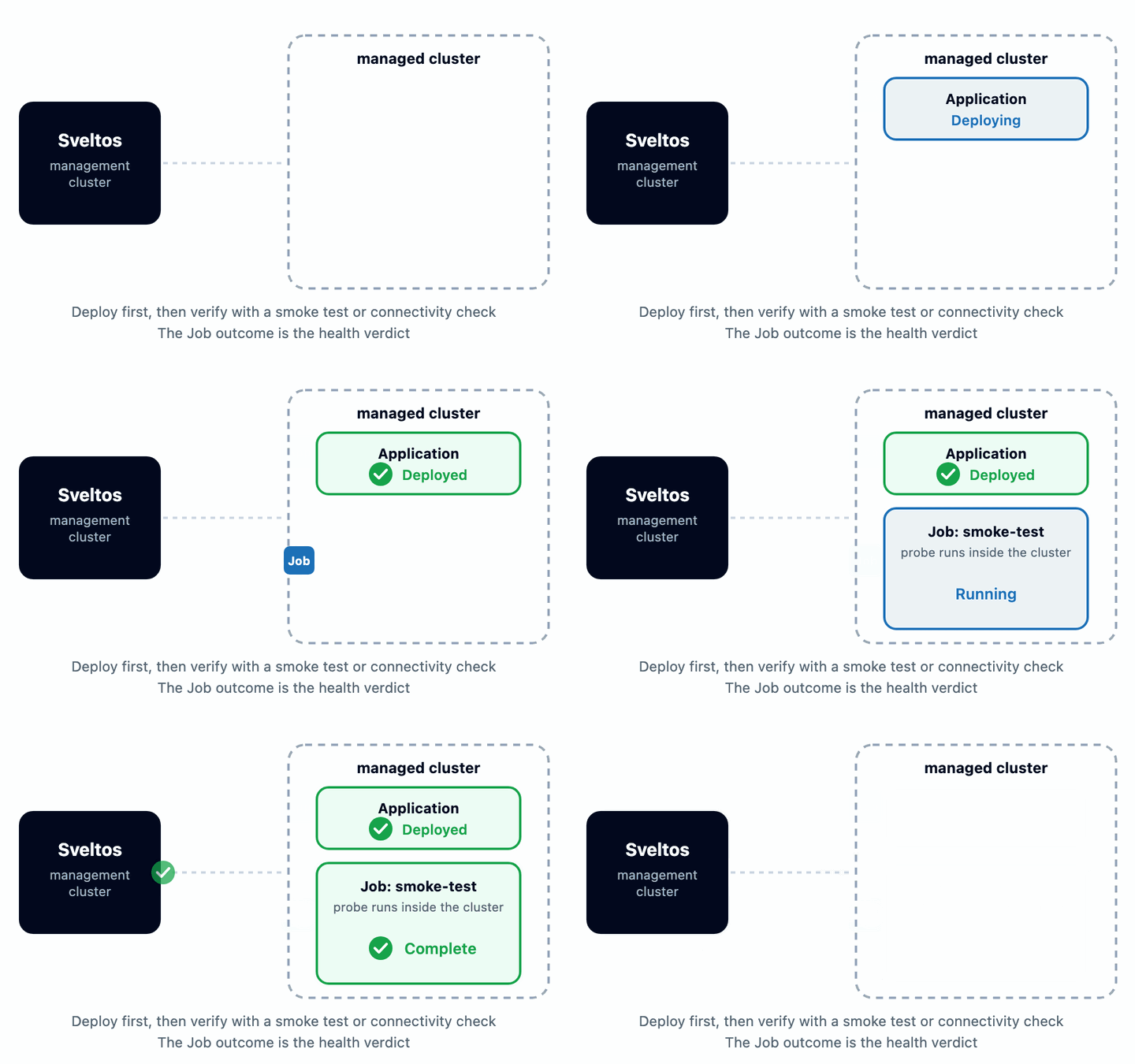

Drift Detection & Remediation
Automatically detect and correct configuration drift. Ensure clusters always match the desired state, preventing manual 'quick fixes' from causing permanent issues.
Learn More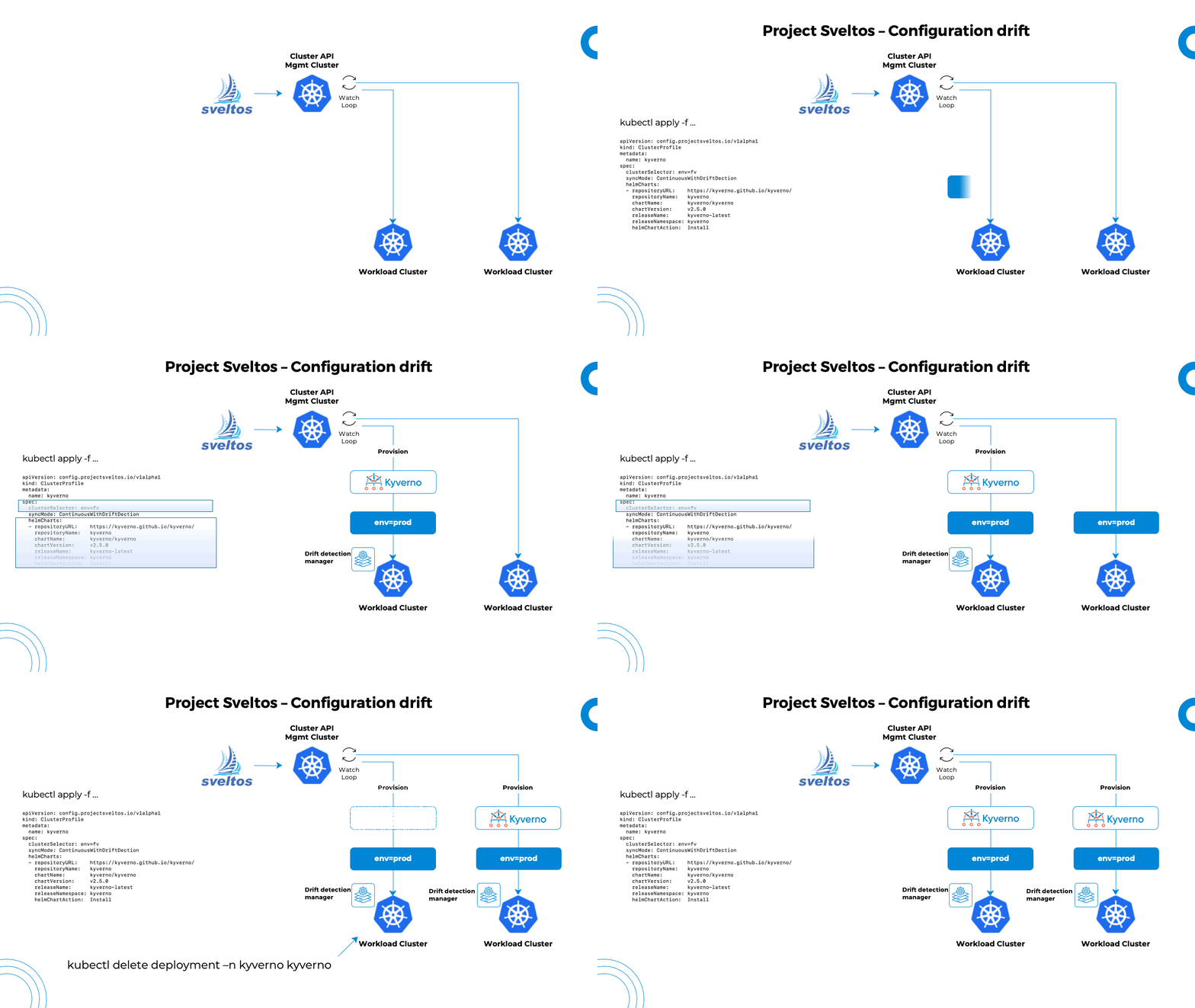

Powerful Templating
Represent add-ons as templates and let Sveltos automatically inject cluster-specific details for truly dynamic and consistent deployments.
Learn More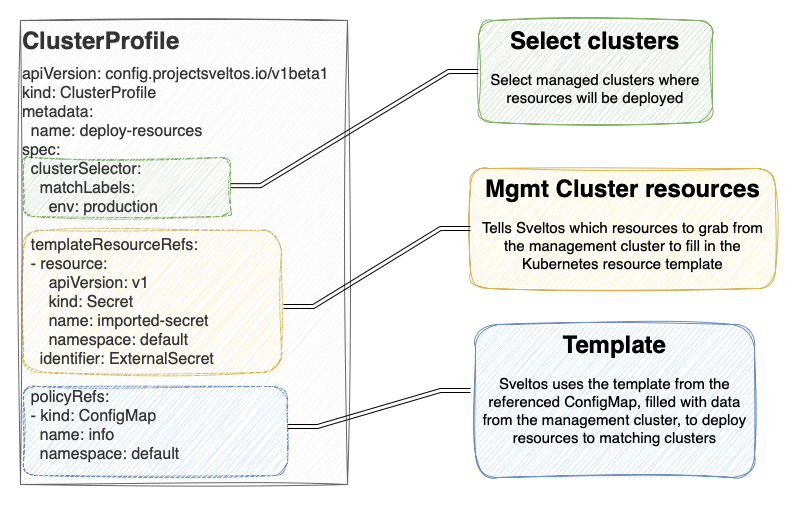
Event Framework
Go beyond static deployments with an event-driven architecture. Monitor managed clusters for specific changes and trigger automatic actions or remediations.
Learn More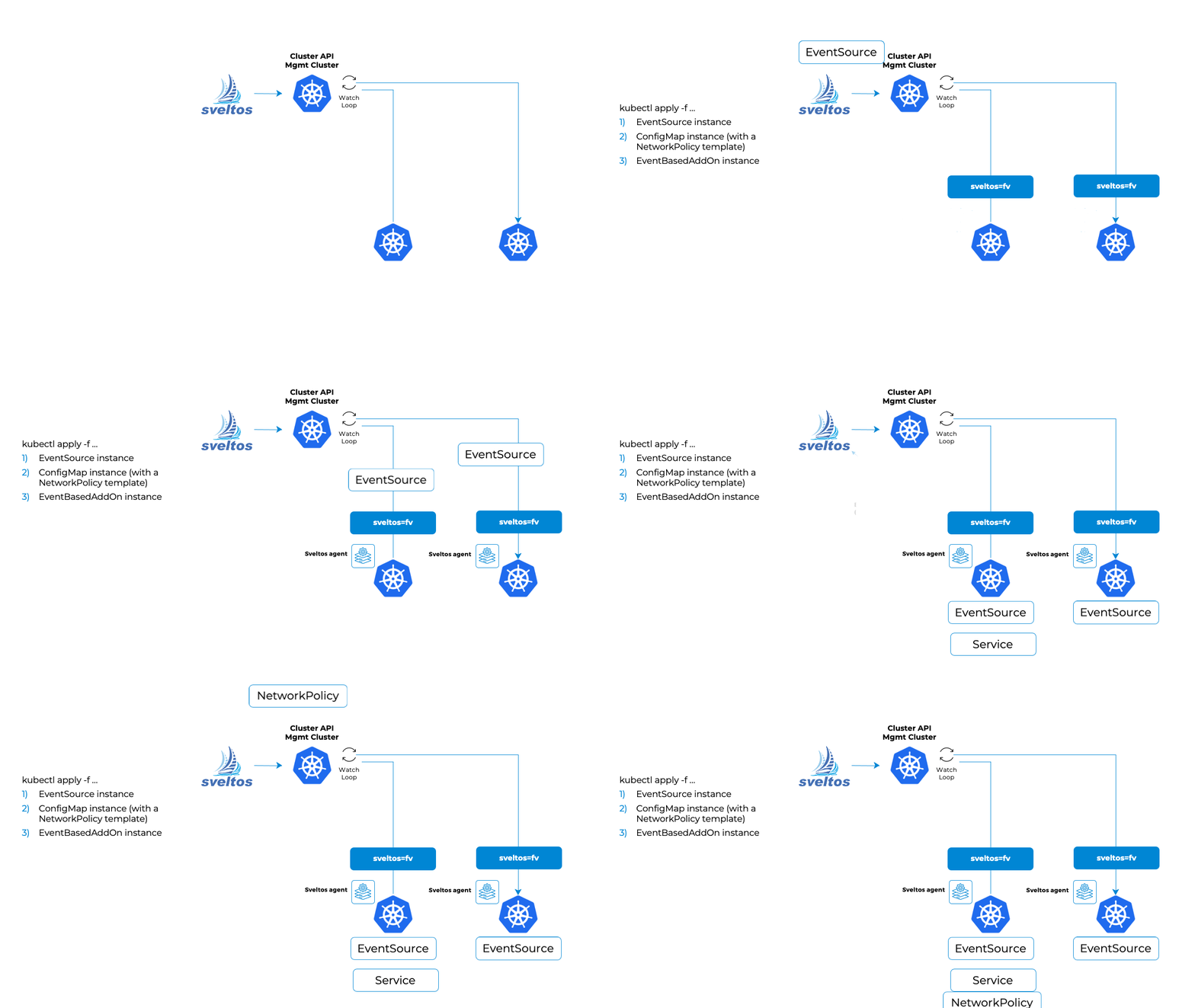
Scale Your Fleet with Absolute Security and Control
Pull Mode
Enable zero-trust management where agents connect outbound to the management plane. Securely manage clusters without opening inbound ports or exposing API servers.
Work Inside Limited Permissions
Not every cluster you manage is yours to administer. When a cluster belongs to another team, you may only be allowed to touch a few of its namespaces. Tell Sveltos which namespaces it may use by adding one annotation to the cluster, and it stays inside them. You do not need cluster-admin access, and you get no permission errors.
Progressive Rollouts & Promotions
Minimize blast radius by staging deployments across environments. Promote changes from Dev to Production only after health checks pass, ensuring fleet-wide stability.
Job-based Checks
Run active probes like smoke tests, synthetic transactions, connectivity checks as Kubernetes Jobs inside the managed clusters, using the Job outcome as the health verdict.
Integrated MCP Server
Empower your AI-driven operations. Sveltos provides a native MCP Server, allowing AI SRE tools to securely discover, query, and manage your entire Kubernetes fleet using natural language.
Unified Orchestration in Six Simple Steps
Centralized Control
A single management cluster acts as the 'source of truth,' orchestrating configurations across your entire fleet from a central point.
Define Your Intent
Use ClusterProfiles and Profiles to declaratively define add-ons, Helm charts, and policies as standard Kubernetes CRDs.
Smart Targeting
Automatically match configurations to clusters using label selectors. Sveltos ensures the right resources reach the right environments instantly.
Orchestrate & Sequence
Set deployment phases and resource dependencies to ensure your stack boots in the correct order across every managed cluster.
Automated Syncing
Choose your sync mode: OneTime, Continuous, or ContinuousWithDriftDetection to maintain your desired state without manual intervention.
Real-Time Distribution
Managed clusters receive updates via push or pull modes, with a lightweight agent ensuring the local state matches your global intent.
Tutorials, guides & deep dives
Learn how to get the most out of Sveltos with step-by-step video tutorials and written guides.
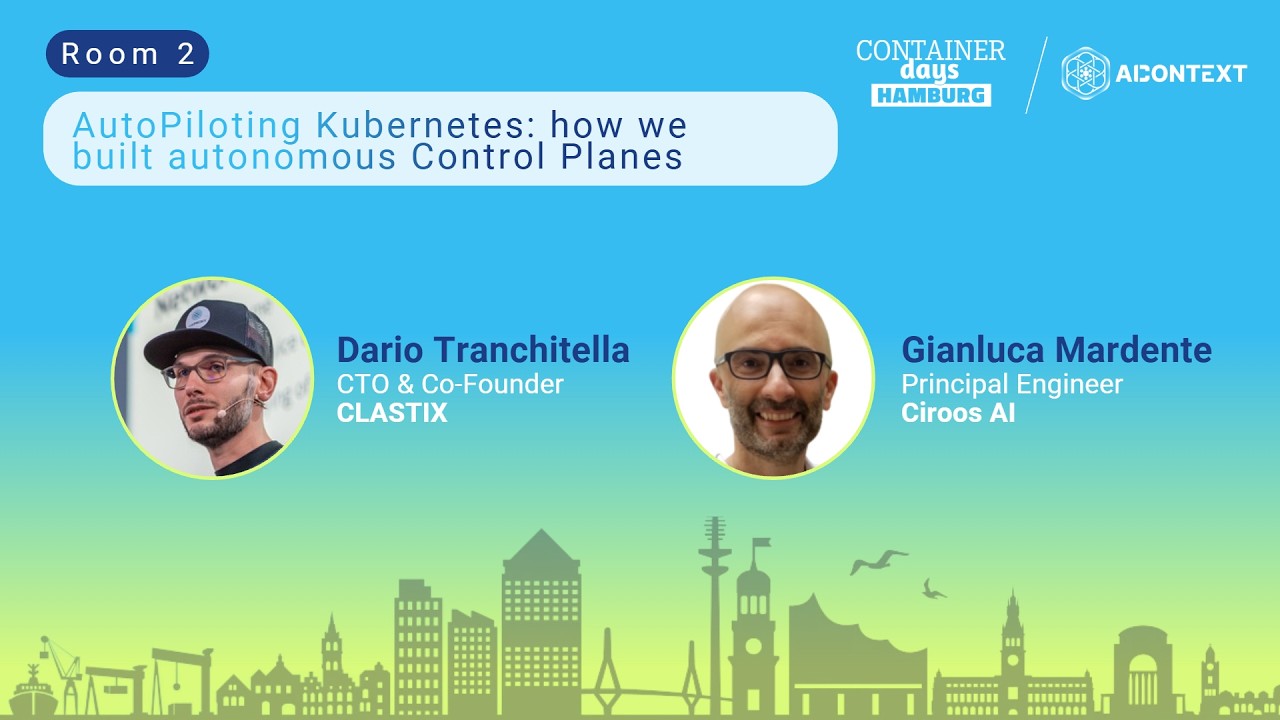
AutoPiloting Kubernetes: how we built autonomous Control Planes
GitOps and static desired-state hit their limits at fleet scale. This talk presents the AutoPilot model: Kamaji hosted control planes combined with Sveltos dynamic add-on orchestration, enabling autonomous upgrades, drift remediation and scalable fleet management.
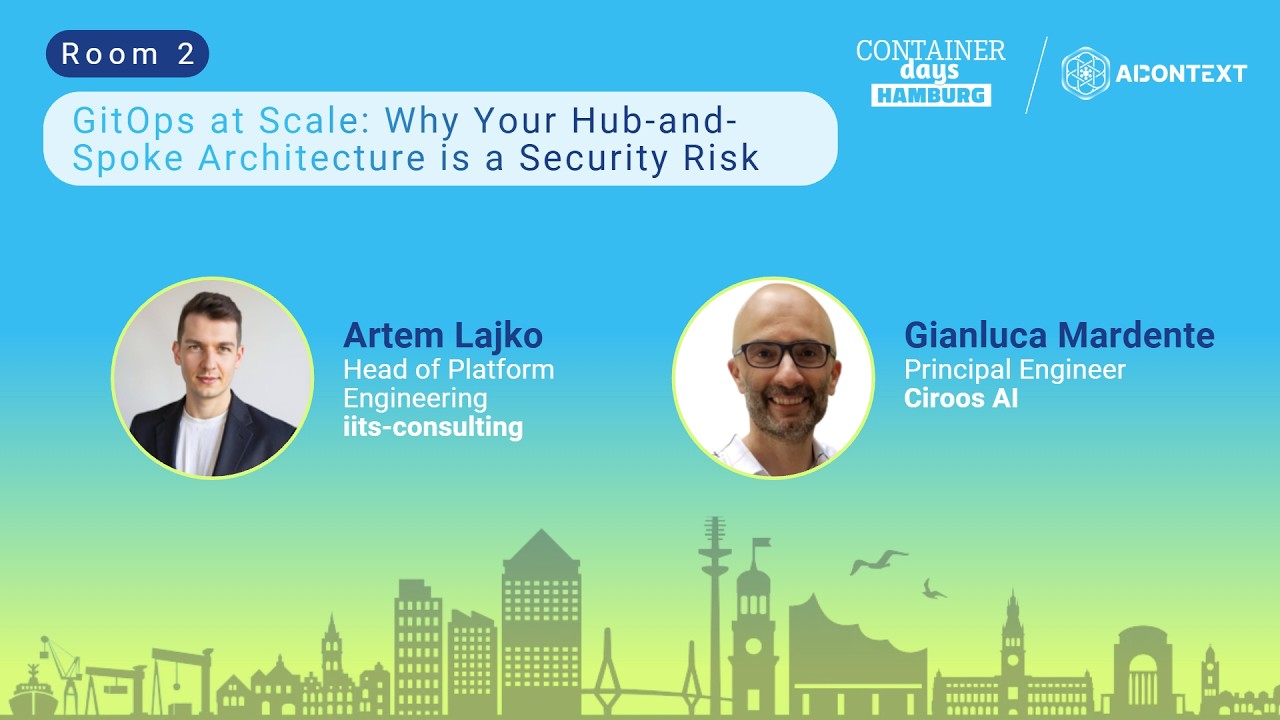
GitOps at Scale: Why Your Hub-and-Spoke Architecture is a Security Risk
Push-based Hub-and-Spoke GitOps centralizes privileged cluster credentials in a single hub. This talk compares Argo CD and Sveltos and shows how an agent-based, pull-driven approach removes inbound access, centralized superuser credentials and reduces blast radius.
From the Sveltos blog
Stay up to date with the latest announcements, releases, and insights from the Sveltos team.
Sveltos Dashboard OIDC Authentication With Keycloak, Exposed Using Cilium Gateway API
Learn how to enable OIDC authentication for the Sveltos dashboard using Keycloak, with access managed through Cilium's Gateway API on an RKE2 cluster.
Read articleGitOps for 15,000 Clusters: What Large-Scale Testing with vcluster Taught Us
What happens when you push Sveltos to 15,000 clusters using vcluster? A look at the results and what they revealed about large-scale GitOps.
Read articleSveltos ClusterPromotion: Progressive Rollouts and the Mistake That Made the Architecture Better
A deep dive into using Sveltos's ClusterPromotion CRD for safely managing multi-stage, phased application and add-on deployments across dev, staging, and production clusters.
Read article